AI TL;DR
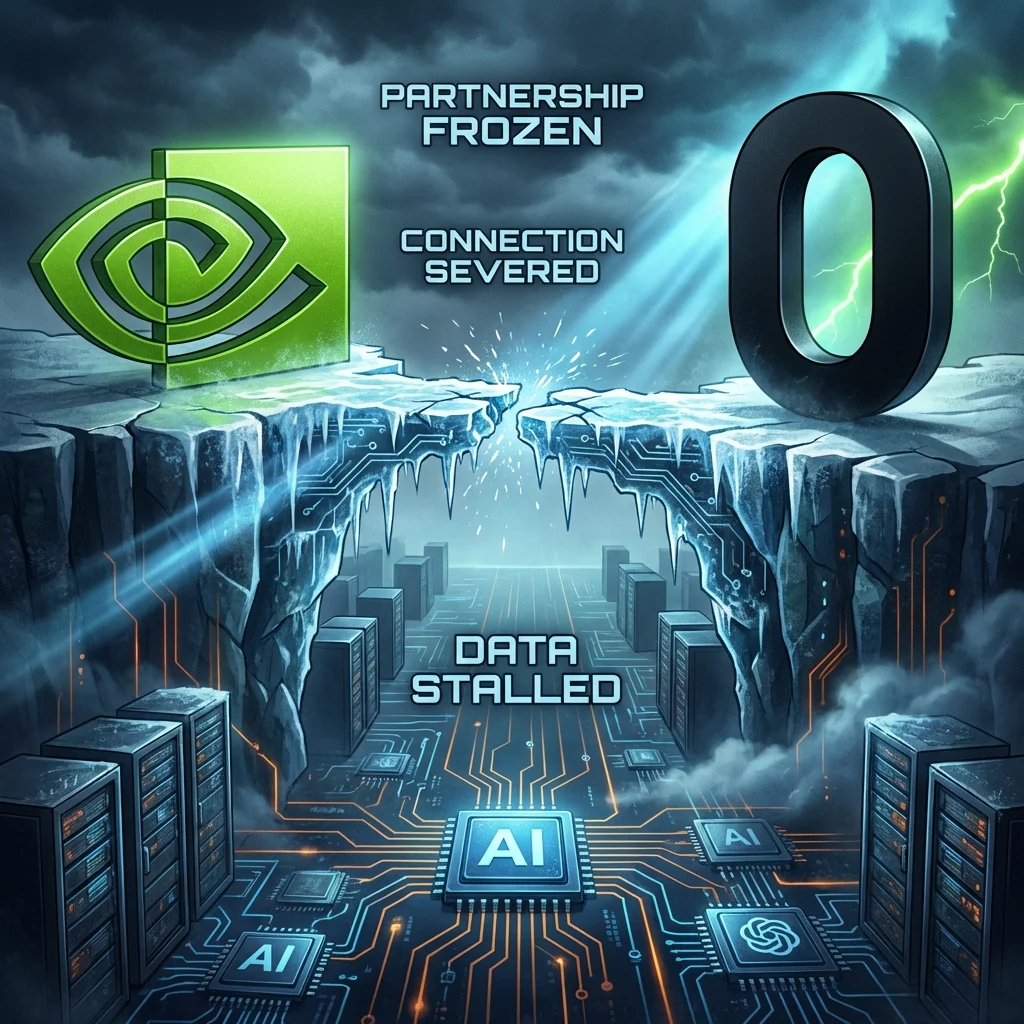
NVIDIA's plan to invest up to $100 billion in OpenAI has reportedly hit obstacles. Jensen Huang called the original agreement 'non-binding.' Here's the full story behind the AI industry's biggest deal that wasn't.
NVIDIA-OpenAI $100B Deal Stalled: What Happened and Why It Matters
In September 2025, NVIDIA and OpenAI announced what would have been the largest investment in AI history: a plan for NVIDIA to invest up to $100 billion in OpenAI's infrastructure, contingent on deploying 10 gigawatts of NVIDIA computing power. Six months later, the deal appears to be on ice.
The Original Agreement
The partnership was structured as a milestone-based investment:
| Milestone | NVIDIA Investment | Compute Capacity |
|---|---|---|
| Phase 1 | $10 billion | 1 gigawatt |
| Phase 2 | $20 billion | 3 gigawatts |
| Phase 3 | $30 billion | 6 gigawatts |
| Phase 4 | $40 billion | 10 gigawatts |
| Total | $100 billion | 10 gigawatts |
┌────────────────────────────────────────────────────────────────────┐
│                    ORIGINAL DEAL STRUCTURE                          │
├────────────────────────────────────────────────────────────────────┤
│                                                                    │
│   NVIDIA ──────────────────────────────────────────────▶ OpenAI   │
│          $100B investment (over ~4 years)                          │
│                                                                    │
│   OpenAI ──────────────────────────────────────────────▶ NVIDIA   │
│          10 GW compute deployment (Vera Rubin platform)            │
│                                                                    │
│   TIMELINE:                                                        │
│   ┌────────┬────────┬────────┬────────┬────────┐                  │
│   │Q4 2025 │Q2 2026 │Q4 2026 │Q2 2027 │Q4 2027 │                  │
│   │Announce│ 1 GW   │ 3 GW   │ 6 GW   │ 10 GW  │                  │
│   │        │ $10B   │ $30B   │ $60B   │ $100B  │                  │
│   └────────┴────────┴────────┴────────┴────────┘                  │
│                                                                    │
└────────────────────────────────────────────────────────────────────┘
The first gigawatt was targeted for deployment in H2 2026, utilizing NVIDIA's next-generation Vera Rubin platform.
What Went Wrong?
Multiple sources indicate the deal has "stalled" or been put "on ice." Key factors include:
1. Jensen Huang's Stated Concerns
In late January 2026, NVIDIA CEO Jensen Huang made several revealing comments:
"The $100 billion figure was never a commitment. It was an invitation to invest up to that amount. We'll evaluate funding rounds one step at a time."
"We have concerns about OpenAI's business discipline and the increasing competition they face from Google, Anthropic, and others."
2. The Agreement Was Non-Binding
The original announcement was characterized as a letter of intent, not a binding contract:
| Aspect | What Was Announced | Reality |
|---|---|---|
| Investment | "$100 billion" | "Up to $100 billion" |
| Commitment | Implied firm | Non-binding LOI |
| Timeline | Specific milestones | "Subject to evaluation" |
3. OpenAI's Chip Diversification
Adding complexity, OpenAI has been actively reducing reliance on NVIDIA:
- 2025: Internal chip development program accelerated
- 2025: Explored partnerships with AMD and custom silicon vendors
- 2026: Reports of dissatisfaction with NVIDIA's inference chips
"OpenAI has been frustrated with some of NVIDIA's latest chips for inference tasks and has been exploring alternatives since 2025." — Investing.com, January 2026
4. Competition Concerns
NVIDIA's AI exposure is increasingly distributed:
| Customer | Estimated 2025 AI Spend | NVIDIA Share |
|---|---|---|
| Microsoft | $15B+ | ~80% |
| $12B+ | ~60% | |
| Amazon | $10B+ | ~70% |
| Meta | $8B+ | ~85% |
| OpenAI (via Azure) | $5B+ | ~95% |
Jensen Huang may hesitate to concentrate risk on a single customer facing intensifying competition.
What Happens Now?
NVIDIA's Official Position
Despite the stall, Huang has emphasized continued commitment:
"We will still make a huge investment in OpenAI—possibly our largest ever. But we're approaching this one round at a time rather than committing to a 10-year megadeal."
Likely Outcomes
| Scenario | Probability | Investment Amount |
|---|---|---|
| Smaller equity investment | High | $10-30 billion |
| Original $100B deal revived | Low | $100 billion |
| No investment at all | Very Low | $0 |
The consensus view: NVIDIA will invest significantly, but in the $10-30 billion range rather than the headline $100 billion.
Why This Matters for the AI Industry
1. Infrastructure Bottleneck Persists
The global AI compute shortage was expected to ease with deals like this. If the $100B investment doesn't happen, the shortage continues longer.
2. Competitor Dynamics
Other AI companies view this as an opportunity:
- Anthropic: Already diversified across NVIDIA, Google TPUs, and custom chips
- Google: Self-sufficient with TPUs
- xAI: Building independent infrastructure with Memphis data center
3. Chip Market Impacts
NVIDIA's stock dropped briefly on the news (though recovered). Long-term implications:
| Impact | Direction | Magnitude |
|---|---|---|
| NVIDIA revenue guidance | Slightly negative | 1-2% reduction |
| AMD opportunity | Positive | Increased OpenAI discussions |
| Custom chip market | Positive | Accelerated development |
The Bigger Picture: AI Industry Consolidation
This deal failure (or reduction) reflects broader tensions:
Supply vs. Demand Mismatch
- NVIDIA: Wants committed, long-term customers
- AI Labs: Want flexibility, lower costs, and independence
- Result: Neither fully trusts the other
The Partnership Paradox
┌─────────────────────────────────────────────────────────────────┐
│                    THE AI INDUSTRY PARADOX                       │
├─────────────────────────────────────────────────────────────────┤
│                                                                 │
│   OpenAI needs NVIDIA chips ────────▶ Dependency risk           │
│                                                                 │
│   NVIDIA needs OpenAI revenue ──────▶ Concentration risk        │
│                                                                 │
│   Both want to reduce dependency ───▶ But need each other       │
│                                                                 │
│   Result: Cautious, step-by-step deals rather than megadeals   │
│                                                                 │
└─────────────────────────────────────────────────────────────────┘
Expert Reactions
Morgan Stanley Analyst:
"The original $100B target was always aspirational. We expect a final investment in the $15-25B range, which is still transformative for both companies."
AI Industry Consultant:
"Jensen is right to be cautious. The AI market is evolving too quickly for decade-long commitments. What if OpenAI loses market share to Claude or Gemini? NVIDIA would be exposed."
OpenAI Insider (anonymous):
"We're not dependent on any single deal. Our Microsoft partnership provides the infrastructure we need. NVIDIA's investment would be helpful, not essential."
What to Watch
Near-Term (Q1-Q2 2026)
- OpenAI's next funding round (expected $10B+)
- NVIDIA's participation (confirmed, amount TBD)
- Any OpenAI-AMD announcements
Medium-Term (2026-2027)
- Vera Rubin platform deployment
- OpenAI's custom chip progress
- Competitive dynamics between GPT-6 and Claude 5
Conclusion
The NVIDIA-OpenAI $100 billion deal represents the challenges of mega-partnerships in a rapidly evolving industry. Both parties have legitimate concerns:
- NVIDIA fears overexposure to a single customer
- OpenAI fears chip vendor dependency
The likely outcome—a smaller, more flexible investment—may actually be healthier for both companies and the industry. Megadeals sound impressive, but adaptability matters more in a market changing this quickly.
Related Reading
What do you think about the future of AI infrastructure partnerships? Share your thoughts below.